A 26-inch junior racquet weighs somewhere around 240 to 260 grams unstrung. A standard adult frame at 300 g is not a small step up from that — with strings, an overgrip and a dampener it is closer to 330 g in the hand, and it swings heavier still because the extra length puts the mass further from the wrist.
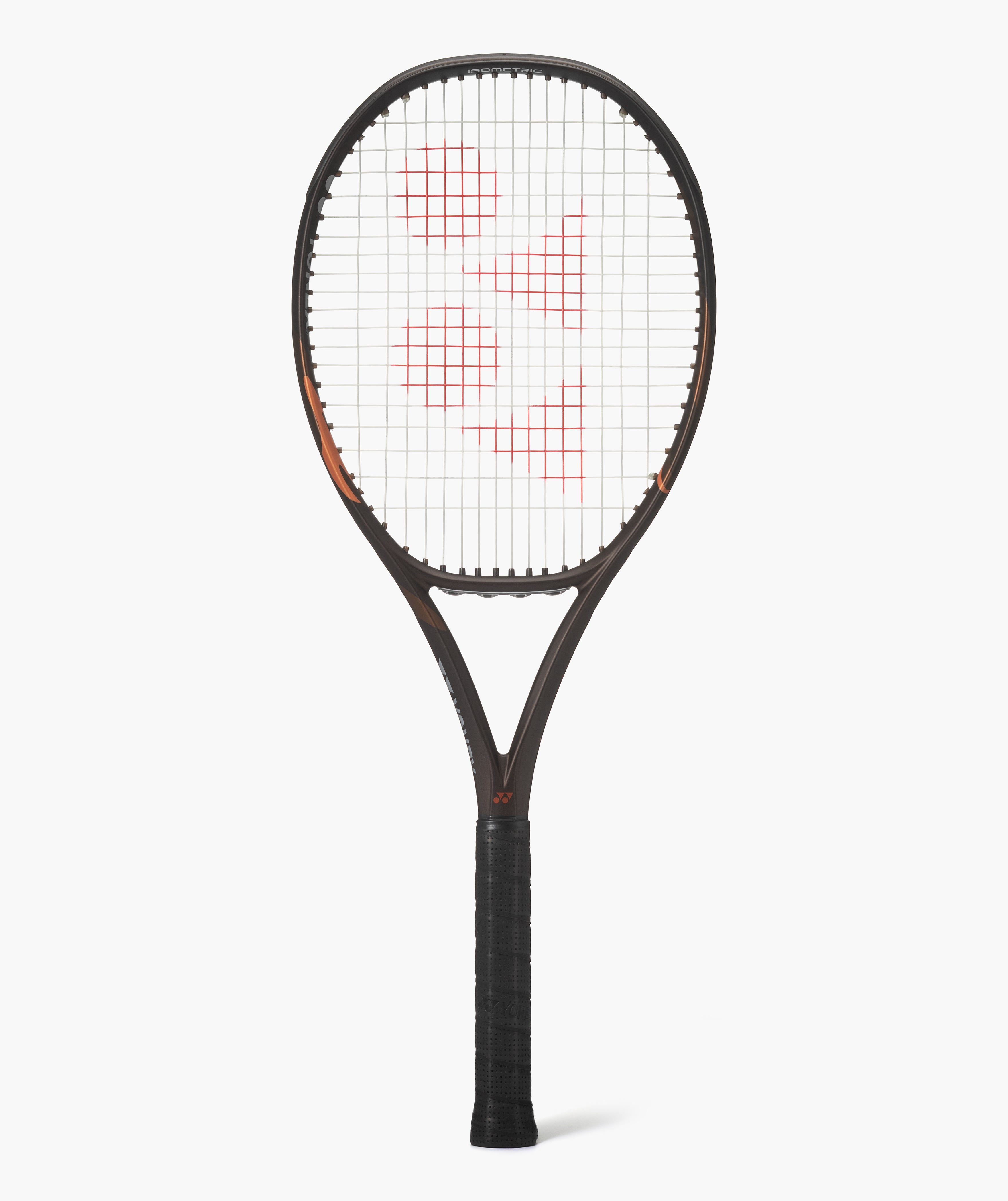
The bridge is the light adult frame. We hold 45 racquets at 270 g or under: full 27-inch length, adult head sizes, but built so a player who has just come off a junior frame can still finish the swing. That last part is what matters — a young player who cannot get the frame through the ball will shorten the swing to cope, and the habit is expensive to unlearn.
Balance is the second figure to read, and the one most people ignore. A head-light frame (a lower balance number) feels quicker to swing than its weight suggests; a head-heavy one puts more mass behind the ball but is slower to prepare with. For this step, head-light wins almost every time.
The test is simple and does not need a shop: have the player serve ten balls with the new frame. If the racquet-head speed drops off, or the contact point creeps lower, the frame is too heavy for now — regardless of what the age chart says.
Every racquet page here carries a manoeuvrability score calculated from weight, balance and swing weight, and the racquet advisor will rank the catalogue against three questions about how the player actually plays. Both are a better starting point than a size chart.