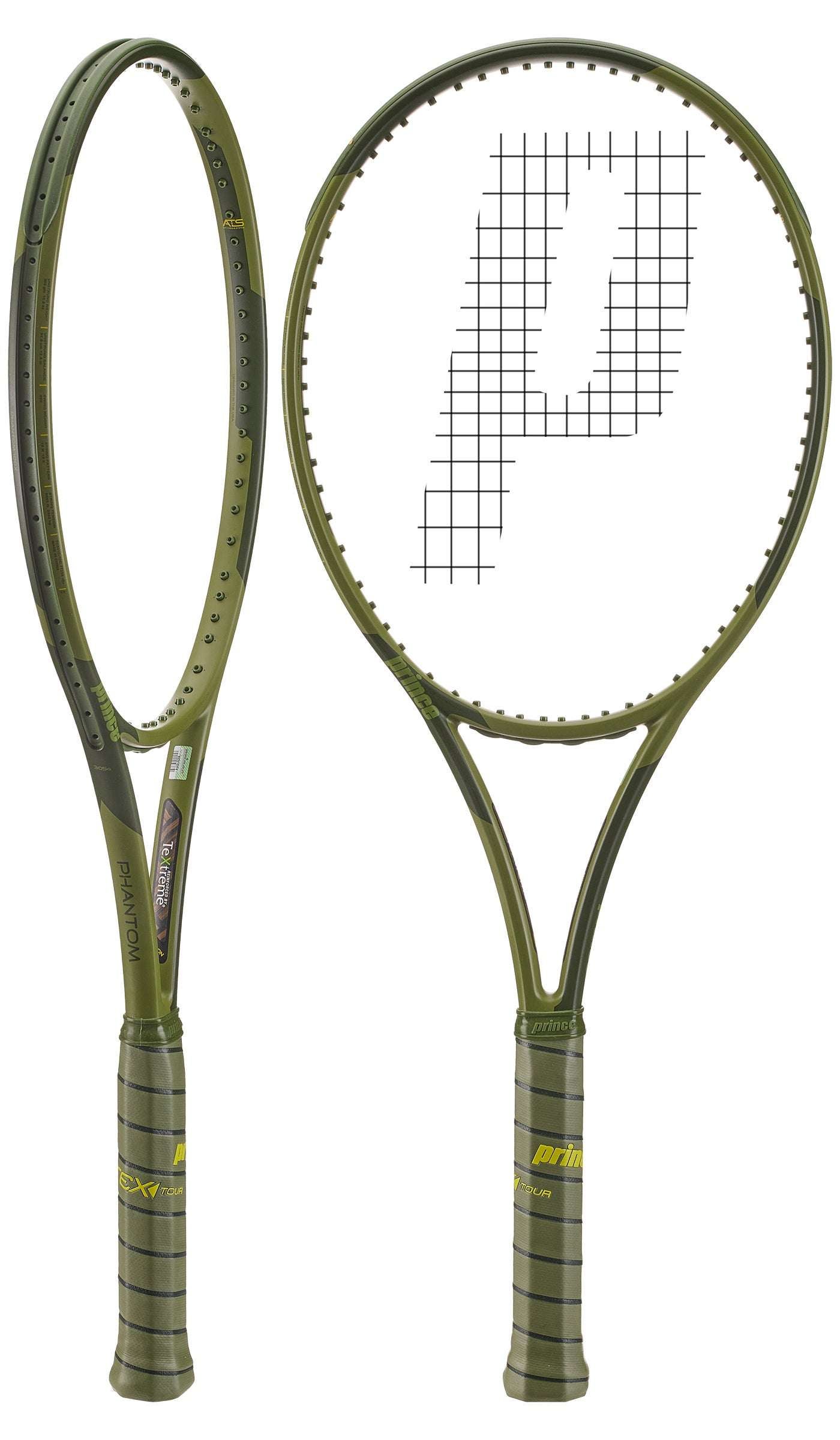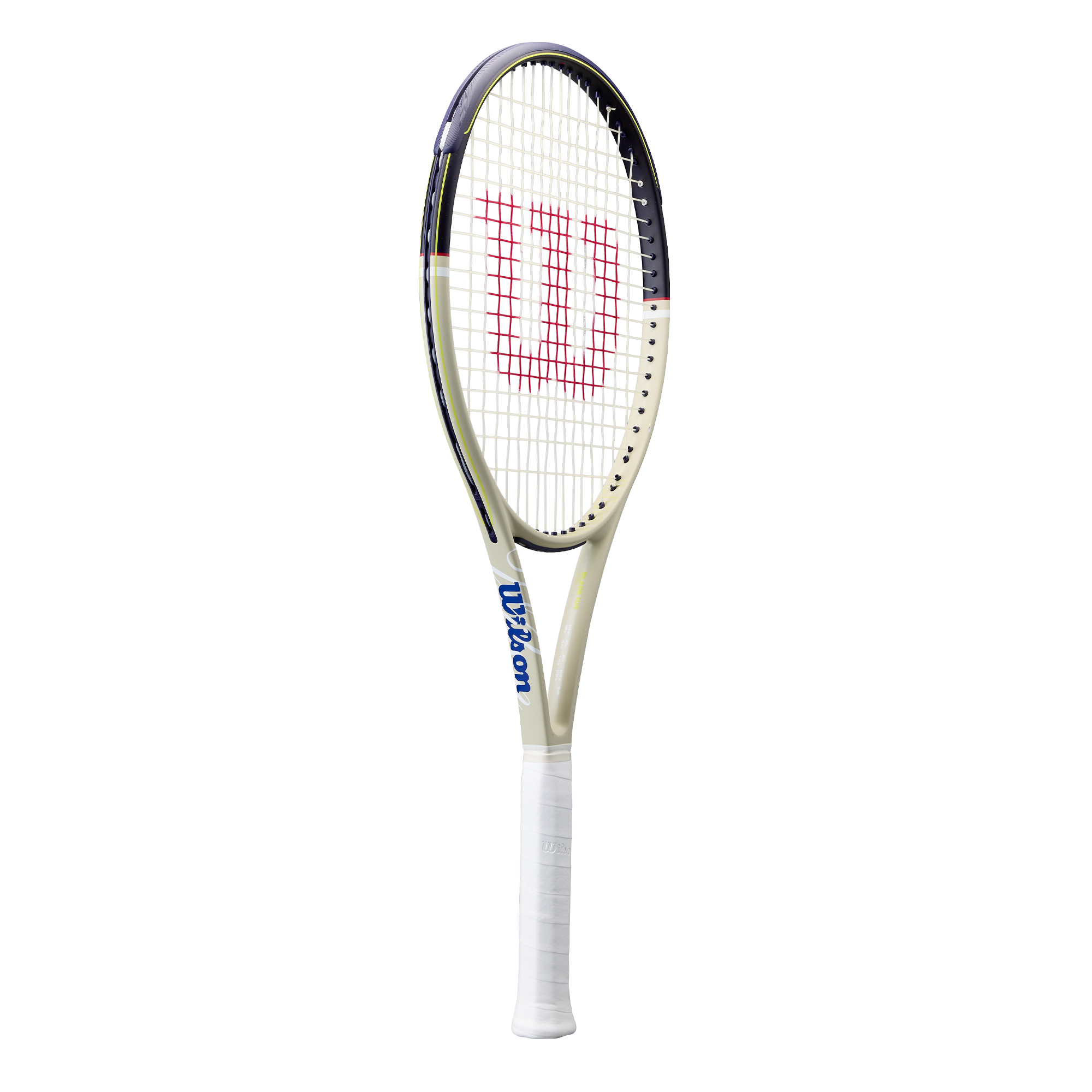
Split the catalogue into three price bands. The 60 frames under €150 average 8.26 on our score. The 136 between €150 and €219 average 8.36. The 45 at €220 and above average 8.38. Paying an extra €130 buys, on this measure, 0.12 of a point.
The correlation across all 241 frames is 0.35. For a reader who does not spend their days in statistics: 1.0 would mean price predicts score perfectly, 0 would mean it tells you nothing at all. 0.35 means there is a real relationship and it is weak — you can find an excellent cheap frame and a mediocre expensive one without looking hard.
Now the caveat that matters more than the finding, because leaving it out would make this article worthless. Our score is calculated from the specification — head size, weight, balance, pattern, stiffness — and not from hitting with the frame. So what this analysis really shows is that an expensive racquet does not have meaningfully better numbers on paper. It cannot show you whether it has better carbon layup, better damping, or a better feel, because we do not measure those and neither does anybody publishing a specification sheet.
What the money does buy, honestly: newer materials and construction, the current cosmetic, tighter manufacturing tolerances between one frame and the next of the same model, and — for a lot of buyers — the frame their favourite player is holding. Those are real reasons. They are just not visible in a specification, so nobody should quote a spec sheet as proof of them.
The practical conclusion. Decide the specification you want first — head size, weight band, balance, pattern — then find the cheapest frame that matches it, and hit with it before you buy if you possibly can. A previous-generation frame at half price is very often the same racquet in an older paint job.