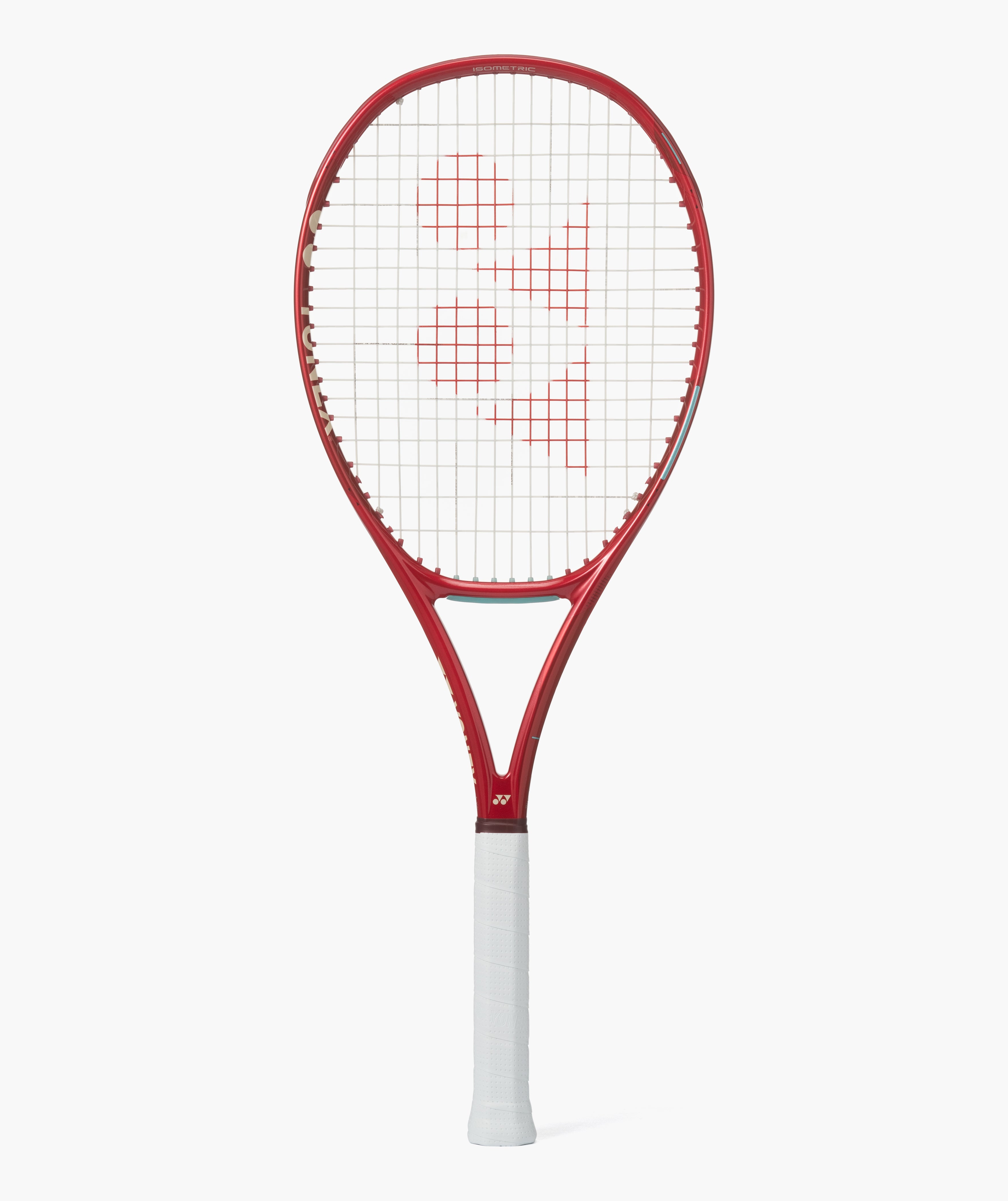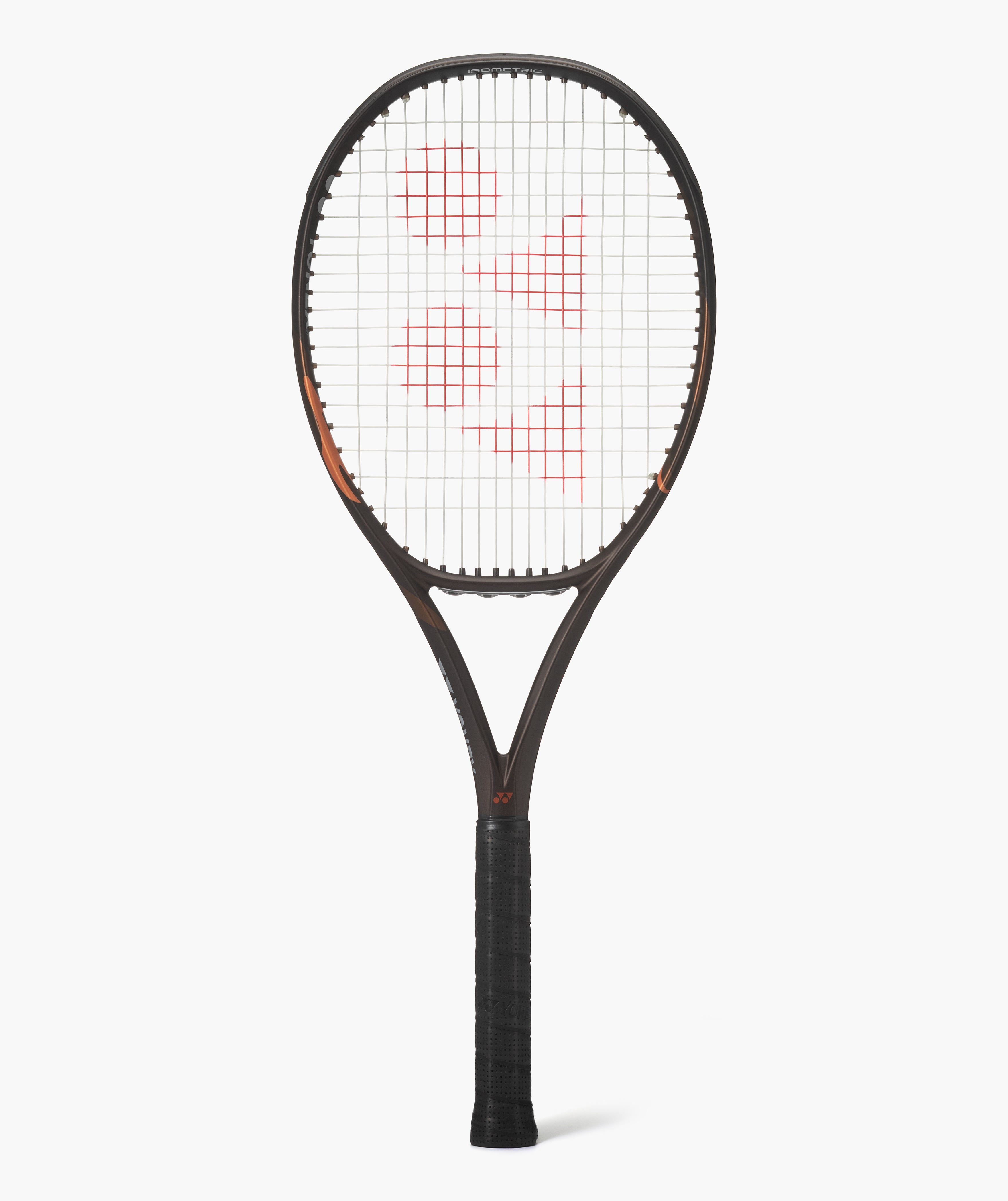
EZONE 98L (285 g)
Minolon / 2NAMD Speed / HM graphite. 98 in² head, 285 g unstrung, 33 cm unstrung balance, 16×19 string pattern.
Where to buy
prices as we recorded them, not a live feed — each row says whenSix criteria
calculated from the verified specifications, scored out of 10, shown against the category averageSpecifications
Where it wins and loses
against the average for this categoryWithin 0.3 of the category average: neither a reason to buy this frame nor a reason to avoid it.
From 98 in² head.
Within 0.3 of the category average: neither a reason to buy this frame nor a reason to avoid it.
From 16×19, 98 in² head.
Within 0.3 of the category average: neither a reason to buy this frame nor a reason to avoid it.
From 16×19, balance 33.0 cm.
Within 0.3 of the category average: neither a reason to buy this frame nor a reason to avoid it.
From 285 g, balance 33.0 cm.
Within 0.3 of the category average: neither a reason to buy this frame nor a reason to avoid it.
From balance 33.0 cm, 285 g.
Tension calculator
The calculator takes this frame's verified specs plus your playing style and returns a tension in kilograms and pounds, with the reasoning behind the number.
A lighter-build 98 in² frame at 285 g with an unusually wide 18–24 kg tension range — the 'L' signals Yonex's own easier-swinging variant of the standard EZONE 98.
What the sources agree on
At 285 g unstrung, this is lighter than every other racquet in this batch, and lighter frames are the clearest, least-disputed lever for manoeuvrability — the derived 9.0 manoeuvrability figure on our scale bears that out, the highest of the ten frames reviewed here. The trade-off the spec sheet predicts is stability: a lighter frame moves more on off-centre contact unless the balance compensates, and at 33 cm this frame is balanced more head-light than most of its 100 in² peers, reinforcing an easy-swing rather than a plough-through profile.
Where they disagree
Lighter, more head-light frames are also the ones where technique matters most to the outcome — a clean, well-timed swing gets the manoeuvrability benefit with little stability cost, while an off-centre-heavy swing may feel the stability gap more than the spec sheet alone suggests. RA and swingweight aren't published for this listing, so the comfort side of that trade-off is genuinely unmeasured rather than just unconfirmed.