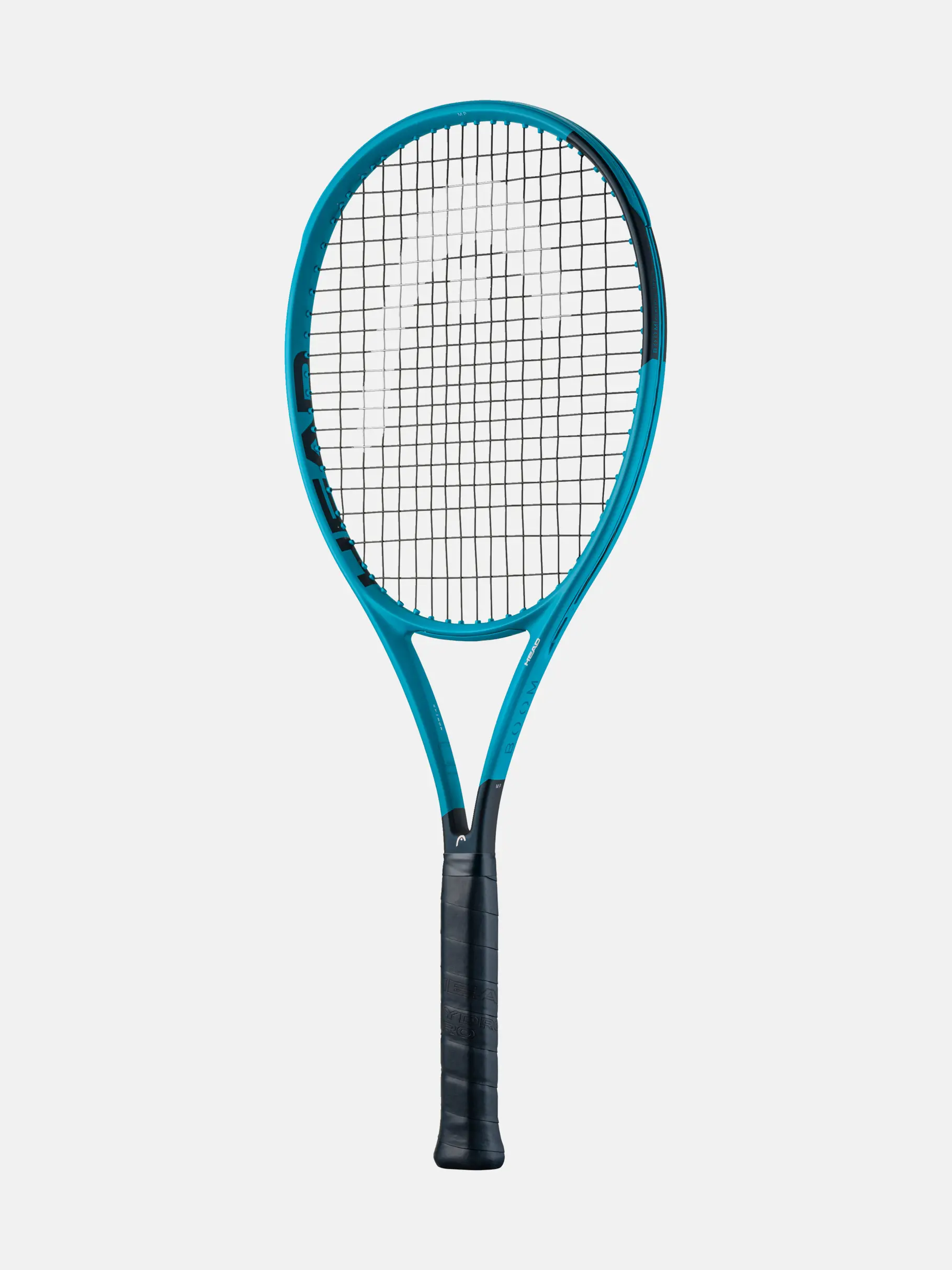
Clash 100 v3 Reverse
FreeFlex carbon mapping, Reverse colourway. 100 in² head, 295 g unstrung, 31 cm unstrung balance, 16×19 string pattern.
Where to buy
prices as we recorded them, not a live feed — each row says whenSix criteria
calculated from the verified specifications, scored out of 10, shown against the category averageSpecifications
Where it wins and loses
against the average for this categoryWithin 0.3 of the category average: neither a reason to buy this frame nor a reason to avoid it.
From 100 in² head.
Within 0.3 of the category average: neither a reason to buy this frame nor a reason to avoid it.
From 16×19, 100 in² head.
Above the average for this category, so this frame suits a topspin baseliner who wins points with shape.
From 16×19, balance 31.0 cm.
Within 0.3 of the category average: neither a reason to buy this frame nor a reason to avoid it.
From 295 g, balance 31.0 cm.
Above the average for this category, so this frame suits quick hands at the net and late preparation.
From balance 31.0 cm, 295 g.
Tension calculator
The calculator takes this frame's verified specs plus your playing style and returns a tension in kilograms and pounds, with the reasoning behind the number.
100 in²/295 g with a markedly head-light 31 cm balance — the numbers behind Wilson's flexible 'FreeFlex' frame family, built to bend more than a typical stick without losing its shape.
What the sources agree on
The head-light balance at this weight is the standout figure: paired with the 9.3 manoeuvrability we derive from the specs, it's the most head-light, quickest-swinging frame of the ten reviewed here, which lines up with Clash's own positioning as a comfort-and-feel frame for players who swing fast and want the racquet out of the way between shots.
Where they disagree
Wilson markets this frame's flexibility as its headline feature, but neither RA nor swingweight is published on this listing, so we can't independently confirm how flexible it measures against the rest of our catalogue — the head-light balance and derived manoeuvrability numbers are real and measured from what we do have, but the comfort claim itself is currently unverified rather than confirmed.