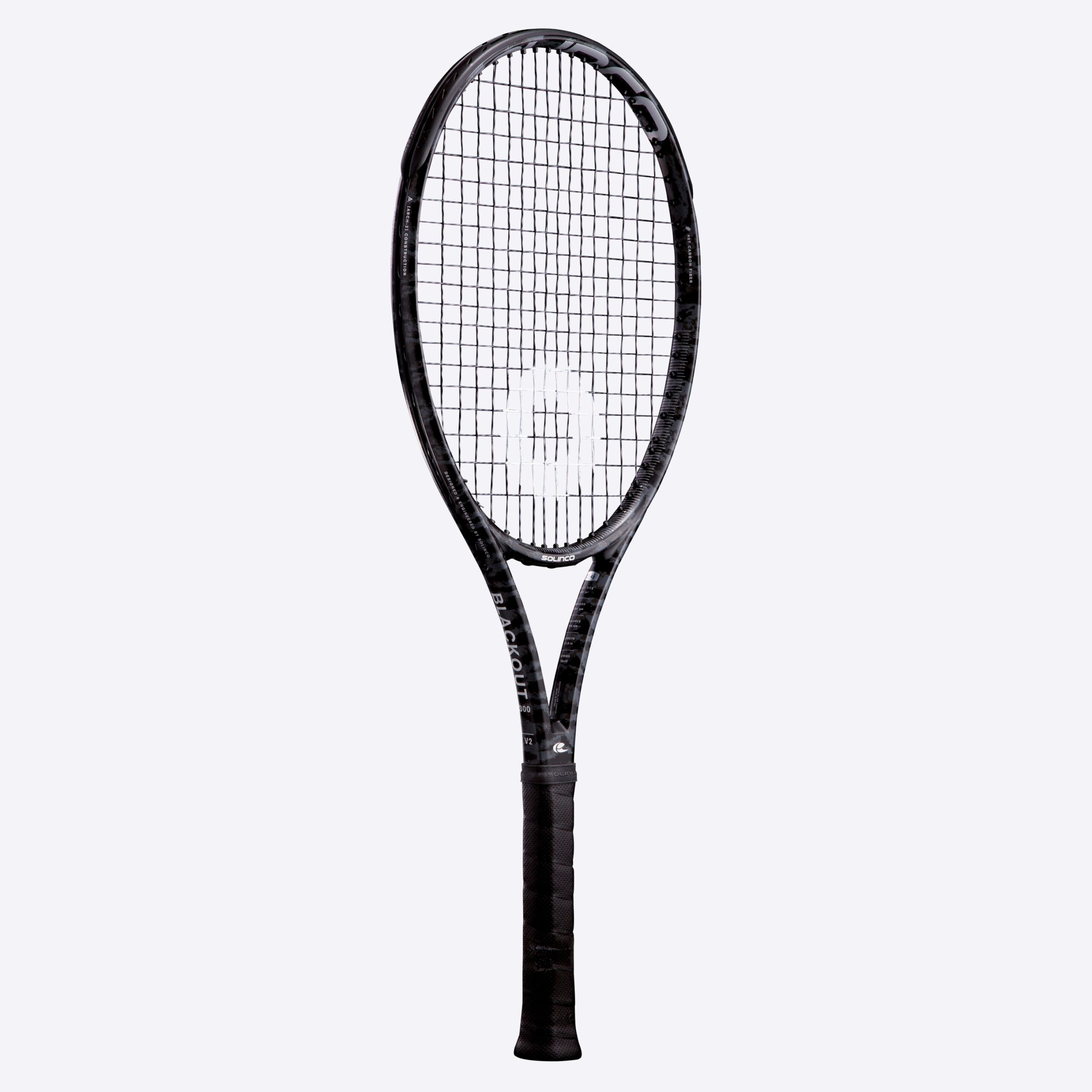
Blackout 300 v2
40T carbon / graphite. 100 in² head, 300 g unstrung, 31.5 cm unstrung balance, 16×19 string pattern.
Where to buy
prices as we recorded them, not a live feed — each row says whenSix criteria
calculated from the verified specifications, scored out of 10, shown against the category averageSpecifications
Where it wins and loses
against the average for this categoryWithin 0.3 of the category average: neither a reason to buy this frame nor a reason to avoid it.
From 100 in² head.
Within 0.3 of the category average: neither a reason to buy this frame nor a reason to avoid it.
From 16×19, 100 in² head.
Within 0.3 of the category average: neither a reason to buy this frame nor a reason to avoid it.
From 16×19, balance 31.5 cm.
Within 0.3 of the category average: neither a reason to buy this frame nor a reason to avoid it.
From 300 g, balance 31.5 cm.
Within 0.3 of the category average: neither a reason to buy this frame nor a reason to avoid it.
From balance 31.5 cm, 300 g.
Tension calculator
The calculator takes this frame's verified specs plus your playing style and returns a tension in kilograms and pounds, with the reasoning behind the number.
A 100 in²/300 g frame that reads almost as a direct spec twin of the Pure Aero above, aside from a slightly firmer balance point — Solinco's newer tour line built to compete head-on with the established players in this exact weight class.
What the sources agree on
300 g unstrung, a 16×19 pattern and a 31.5 cm balance put this frame within a few tenths of a centimetre of several other racquets in this batch, and the derived 8.1/8.8 stability-manoeuvrability split follows the same pattern as the other 300 g, 16×19 frames here — nothing in the raw numbers marks this out as unusual for its weight class, which itself is a useful data point for a newer brand: the spec sheet doesn't show any obvious compromise next to the established names.
Where they disagree
Because the numbers are so close to several other frames in this list, spec comparison alone can't tell us what actually differs in feel — layup, materials and construction all affect how a racquet plays well beyond what head size, weight and balance capture, and that's precisely the gap a bench test would close that we haven't run yet for this frame.