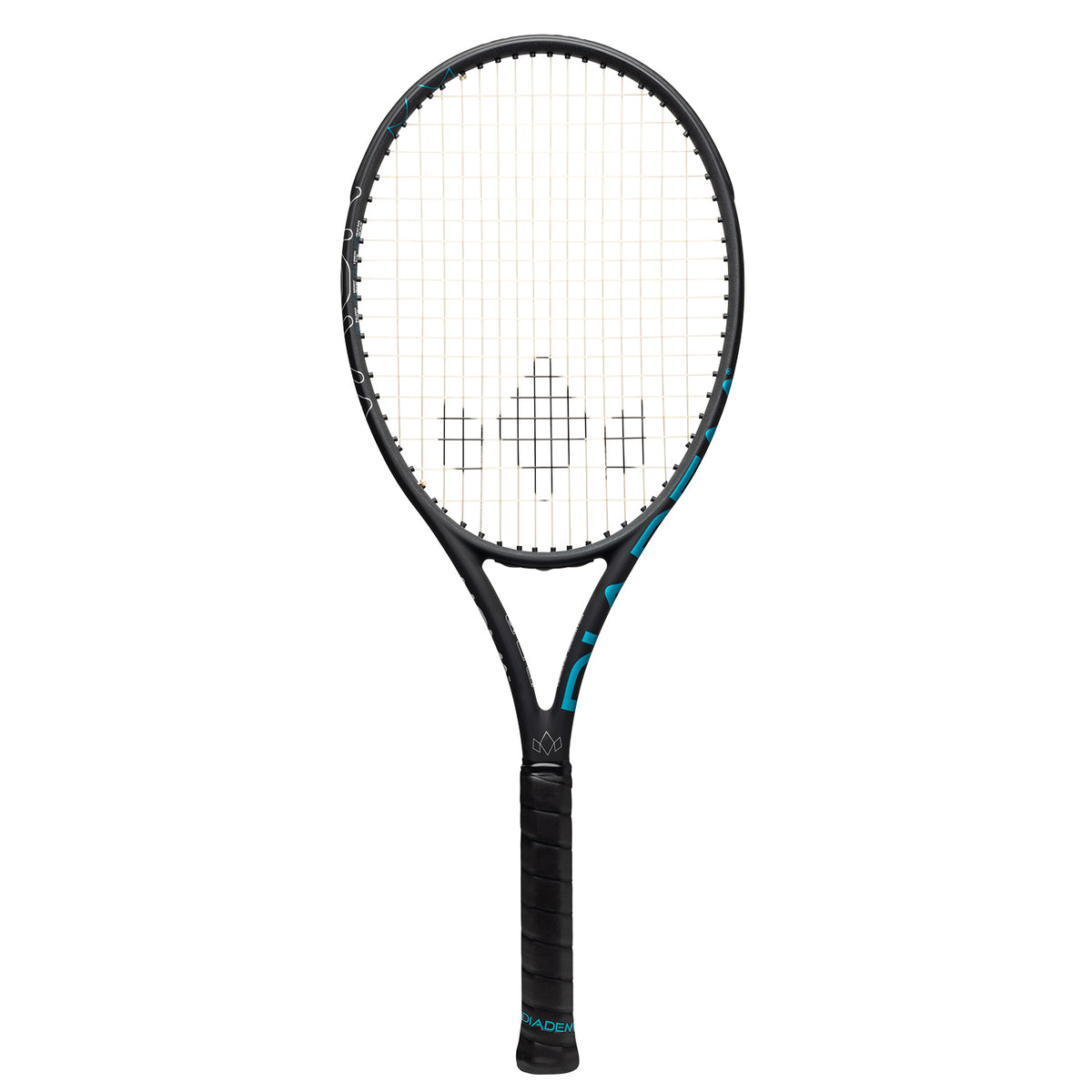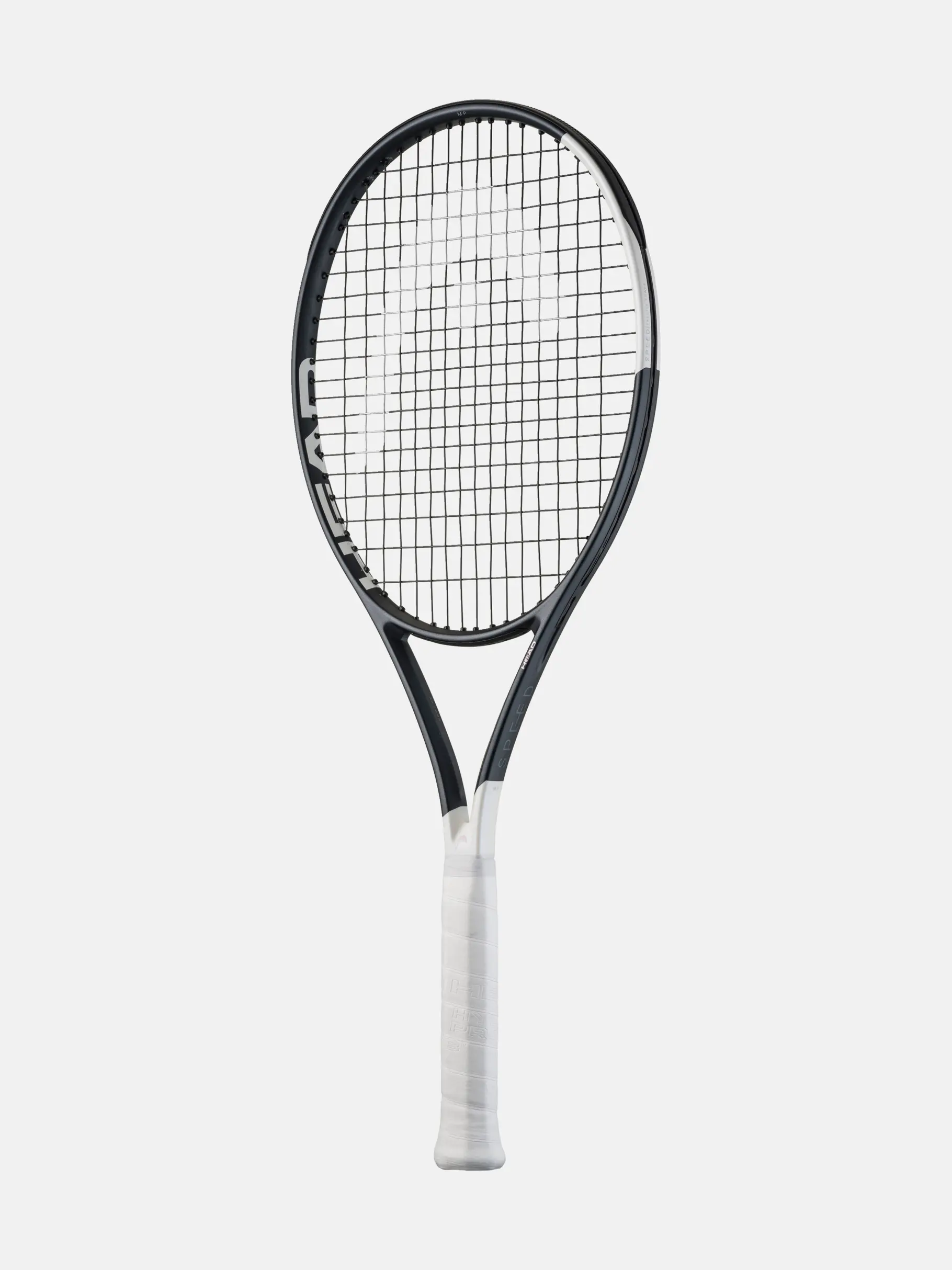
Speed MP 2026
Auxetic 2.0 / Graphene Inside / Boron / graphite. 100 in² head, 300 g unstrung, 32 cm unstrung balance, 16×19 string pattern.
Where to buy
prices as we recorded them, not a live feed — each row says whenSix criteria
calculated from the verified specifications, scored out of 10, shown against the category averageSpecifications
Where it wins and loses
against the average for this categoryBelow the average for this category — think twice if you already hit long when you go for it.
From 100 in² head, RA 60.
Above the average for this category, so this frame suits a player who aims at lines and wants the ball to go there.
From 16×19, 100 in² head.
Above the average for this category, so this frame suits an arm that has complained before.
From RA 60, 300 g.
Within 0.3 of the category average: neither a reason to buy this frame nor a reason to avoid it.
From 16×19, balance 32.0 cm.
Above the average for this category, so this frame suits blocking back heavy serves and taking pace off the wall.
From 300 g, balance 32.0 cm.
Below the average for this category — think twice if you want more mass behind the ball than speed through it.
From balance 32.0 cm, 300 g.
Tension calculator
The calculator takes this frame's verified specs plus your playing style and returns a tension in kilograms and pounds, with the reasoning behind the number.
A 100 in²/300 g frame with a notably low 60 RA — among the more flexible tour-weight frames we've catalogued — built around the control-first identity Head's Speed line has carried for years.
What the sources agree on
The 329 swingweight is on the heavier side for this weight class, which the spec sheet alone predicts as a plough-through, stable-through-contact feel rather than a quick, flicky one — consistent with a frame aimed at players who generate their own pace and want the racquet to hold its line rather than add free power. The low 60 RA points the same direction as the Blade 100 v9.0 below: a softer string-bed response that typically reads as more control and less rebound energy off centre-string contact.
Where they disagree
Swingweight predicts feel under load reasonably well, but it doesn't fully capture recovery speed between shots the way an actual on-court test does — two frames with the same swingweight can still feel different at net depending on where the mass sits along the frame, which our spec sheet doesn't break out.